Batteries
Array size answers "how much do I make". Battery size answers a different question: how long can I run when I make nothing?
bank kWh = daily load × days of autonomy ÷ depth of discharge ÷ round-trip efficiency
Those last two terms are why nameplate capacity is not comparable across chemistries. A 22 kWh lithium bank and a 40 kWh lead-acid bank do the same job, because lead-acid can only give up half its capacity without shortening its life dramatically.
Depth of discharge is a lifespan setting, not a limit
| Chemistry | Usable DoD | Cycles at that DoD |
|---|---|---|
| Flooded lead-acid | 50% | 1,000–1,500 |
| AGM | 50% | 500–1,000 |
| LiFePO₄ | 80–90% | 3,000–6,000 |
Compare banks by cost per delivered kWh — purchase price ÷ (usable kWh × rated cycles). It is the only comparison that survives the chemistry differences, and it usually reverses the answer that price-per-nameplate-kWh gives.
Days of autonomy
Two days is the usual off-grid figure with a generator as backstop. Past about three, a generator is cheaper than the equivalent battery and only burns fuel on the days it runs.
Size the bank for the worst month, not the annual average. Off-grid systems fail in January.
Charge controllers
MPPT converts surplus panel voltage into extra current; PWM discards it. The gap is 20 to 30%, and it is widest exactly when you need the energy most — cold clear days, when panel voltage is highest and the battery is lowest.
Size the controller's maximum input voltage against the array's cold open-circuit voltage, not its rated Voc. Voc rises as temperature falls, and this is the most common way controllers are destroyed.
Temperature
Lead-acid loses about 20% of capacity at 0 °C. Lithium must not be charged below freezing without a heater or a low-temperature cutoff. An unheated shed in a northern climate is not a battery location without allowing for both.
4 articles
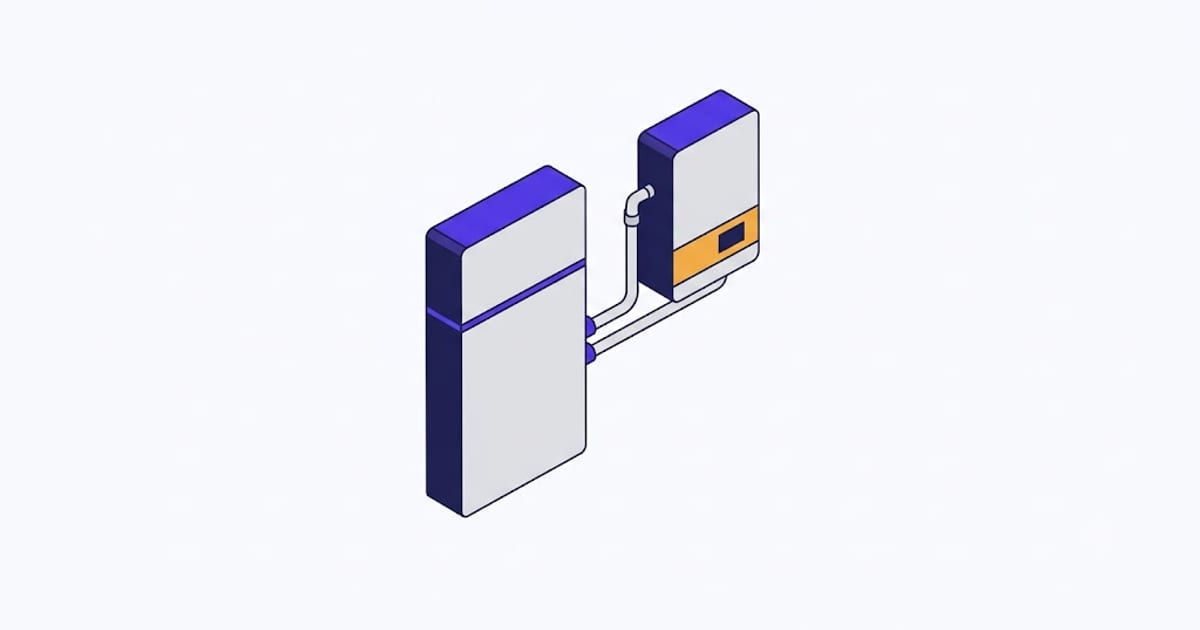 How Many Batteries for a 10 kW Solar System? The Array Size Does Not Decide It
A 10 kW array does not imply any particular battery size. What decides it is which loads you want to carry, and for how long, after the sun goes down.
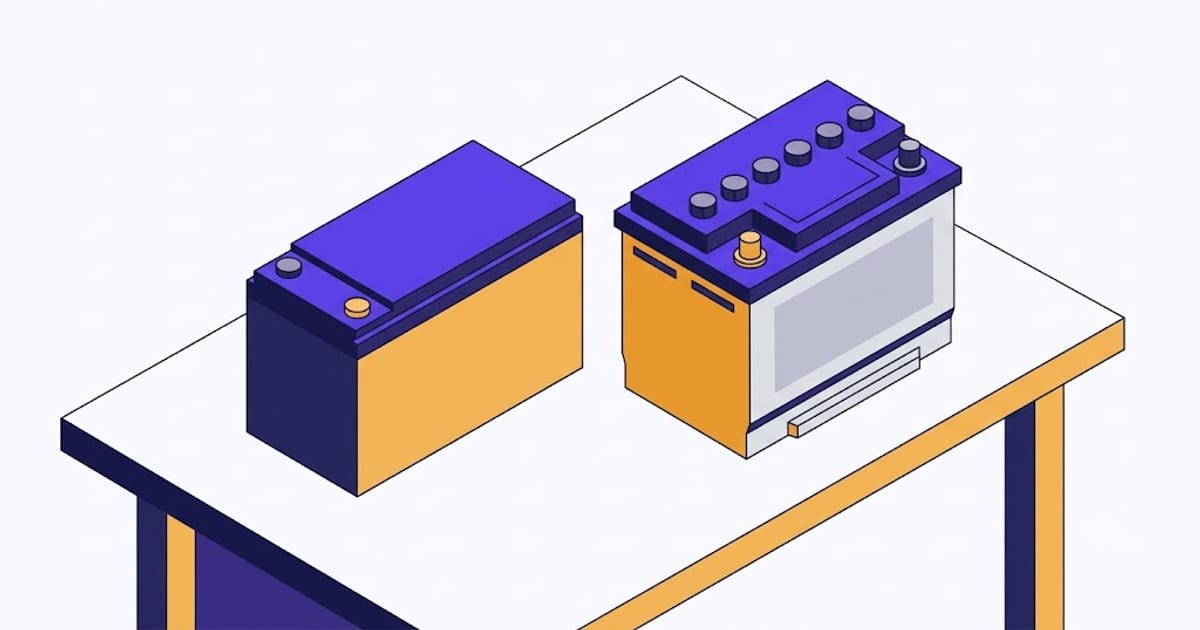 LiFePO4 or Lead-Acid: The Sticker Price Compares the Wrong Thing
Lead-acid costs less per kilowatt-hour on the shelf and more per kilowatt-hour delivered. Two numbers explain the whole reversal.
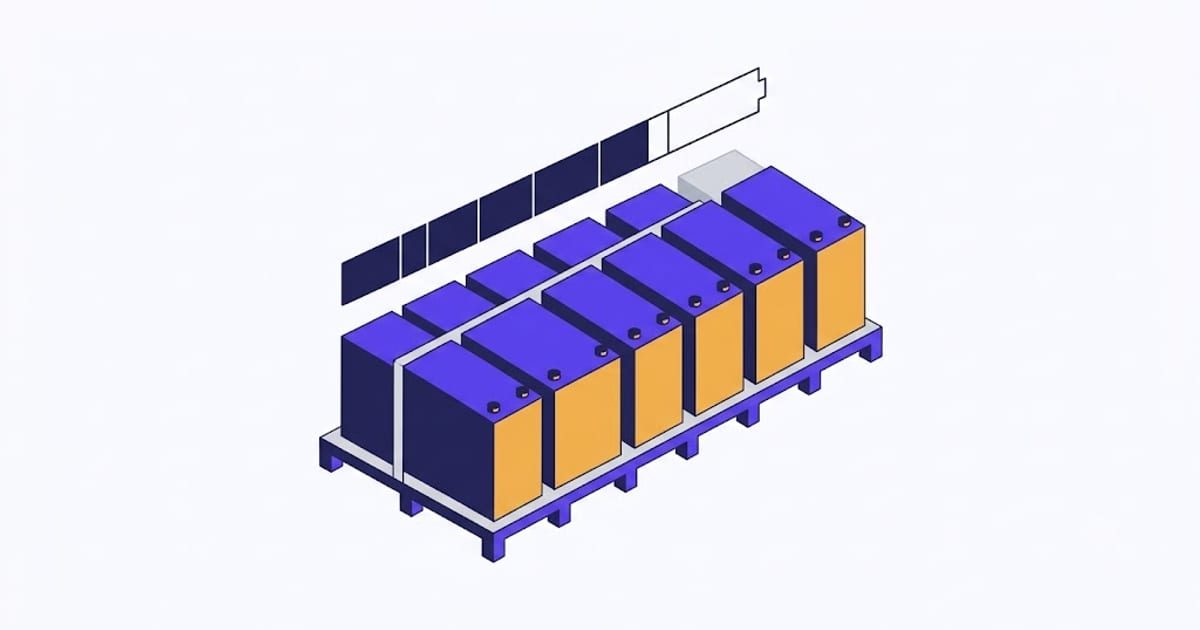 Sizing an Off-Grid Battery Bank: Days of Autonomy, Not Panel Count
The number that sizes a battery bank is not how much you generate. It is how long you need to run when you generate nothing.
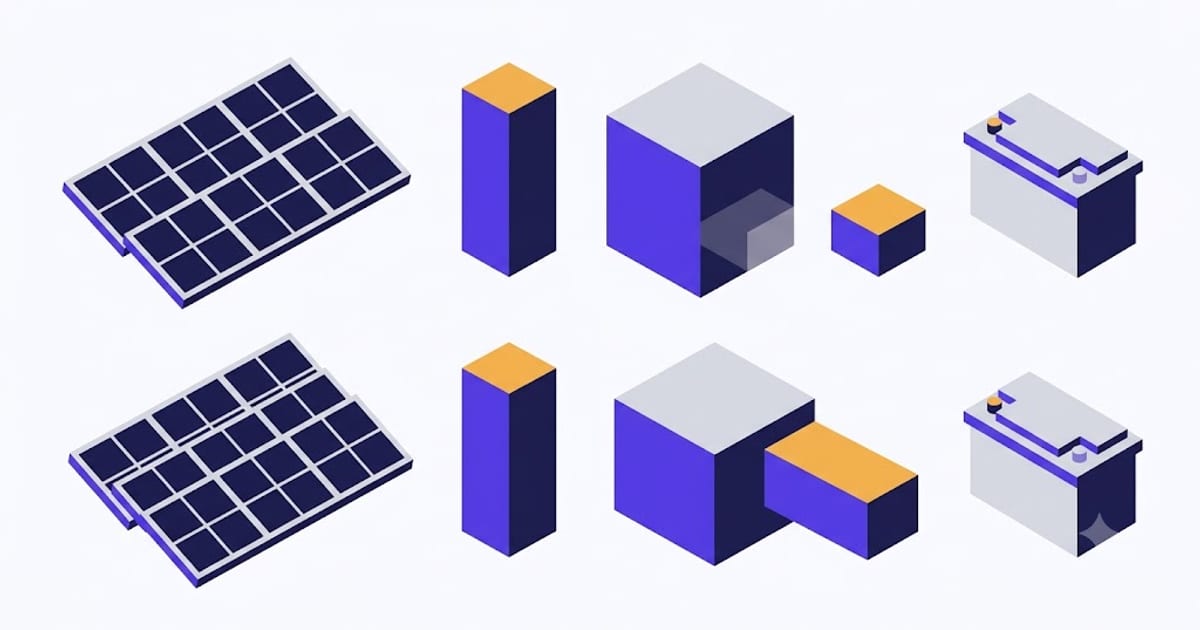 MPPT or PWM: What the Extra Cost Actually Buys
One of these converts surplus voltage into extra current. The other throws it away. That single difference decides which one belongs in your system.