System Sizing
Array size is daily consumption divided by peak sun hours, divided again by a derate factor — and the derate factor is where most estimates go wrong.
0.77 is the PVWatts default from NREL. It bundles soiling, heat, wiring losses, module mismatch and inverter efficiency. Size an array without it and you will be short by about a quarter, which shows up as a system that meets its numbers in April and misses them all winter.
Peak sun hours is an annual average, and December is not average
Winter output across most of the US runs 40 to 60% of the annual average. A grid-tied system sized to the average is fine, because the grid covers the difference. An off-grid system sized the same way runs out in January.
Roof area is not panel area
Panel area is what the arithmetic gives you. Add 15 to 25% for row spacing, fire setbacks and obstructions — and check that the roof plane faces within about 45° of south. A due-east array is not a due-south array with a small penalty; it is a meaningfully different system with a different production curve.
The inverter is deliberately smaller than the array
A DC-to-AC ratio around 1.2 is standard. Arrays reach their nameplate rating for only a few hours a year, so an inverter sized to peak DC output spends its life underloaded — expensive and less efficient. Some clipping at midday in June is the correct trade.
What array sizing does not size
Batteries, cable and the loads themselves. Each has its own way of going wrong that array sizing never reveals: a correctly sized array on undersized cable delivers a fraction of what it makes, and the meters all read normal while it happens.
8 articles
 Solar Payback Period — the Four Inputs, and the One That Decides It
Payback is one division with four inputs. Three of them are knowable to within a few percent. The fourth — what your utility pays for exports — swings the answer by more than a decade.
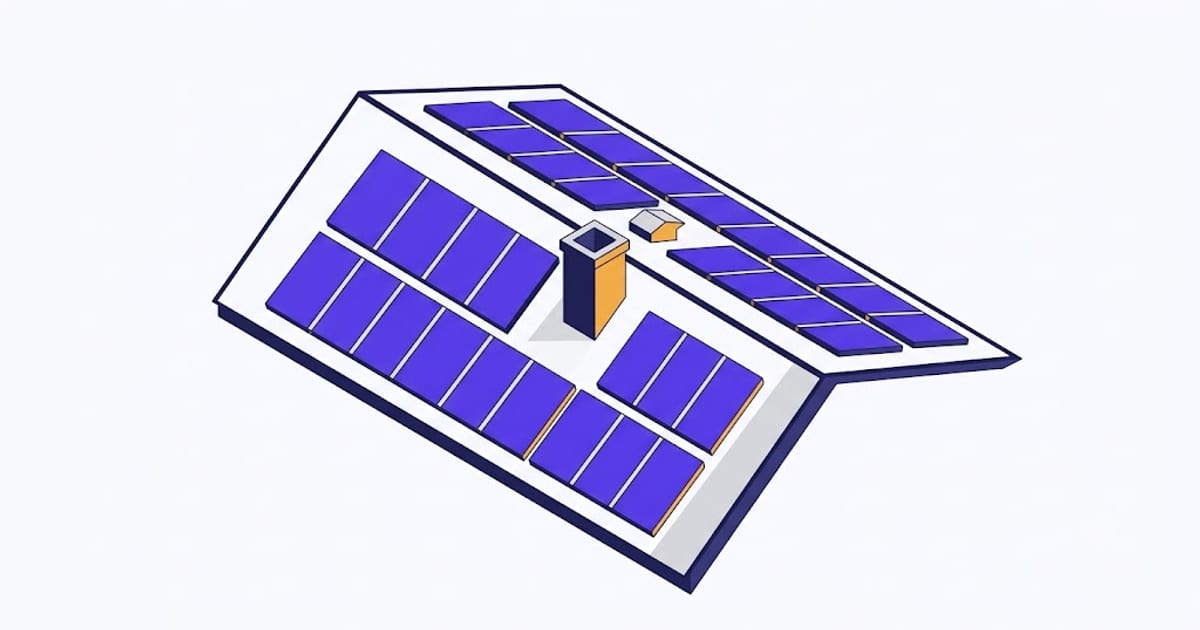 How Many Panels to Run a House: Start With the Bill, Not the Roof
The number of panels is set by your consumption, your latitude and one derate factor. Only one of those is negotiable, and it is not the one people try to change.
 Peak Sun Hours: What the Number Means and Where It Comes From
A peak sun hour is not an hour of daylight. It is a unit of energy dressed up as a unit of time, and understanding that clears up most solar sizing confusion.
 Solar Wire Sizing: Voltage Drop Decides It, Not Ampacity
A cable sized only for the current it carries will pass inspection and lose you a tenth of your production. Two different rules apply, and the stricter one wins.
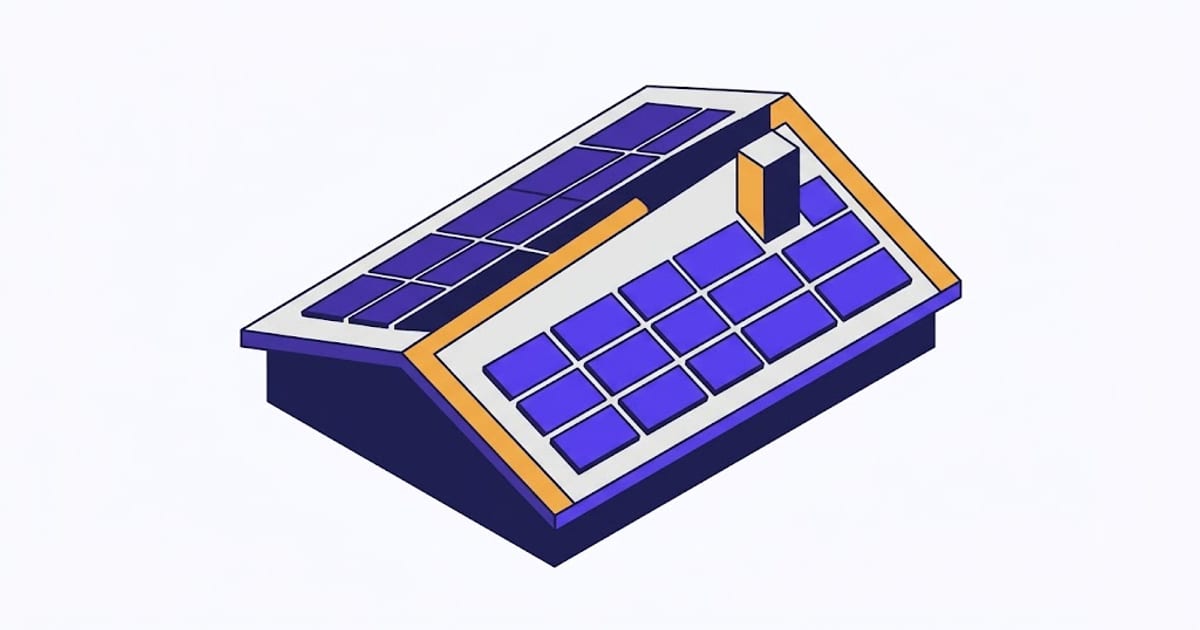 Roof Space for a 10 kW Array: Panel Area Is Not Roof Area
Twenty-five panels cover about 525 square feet. The roof they need is closer to 680, and the gap is mostly required by code rather than by geometry.
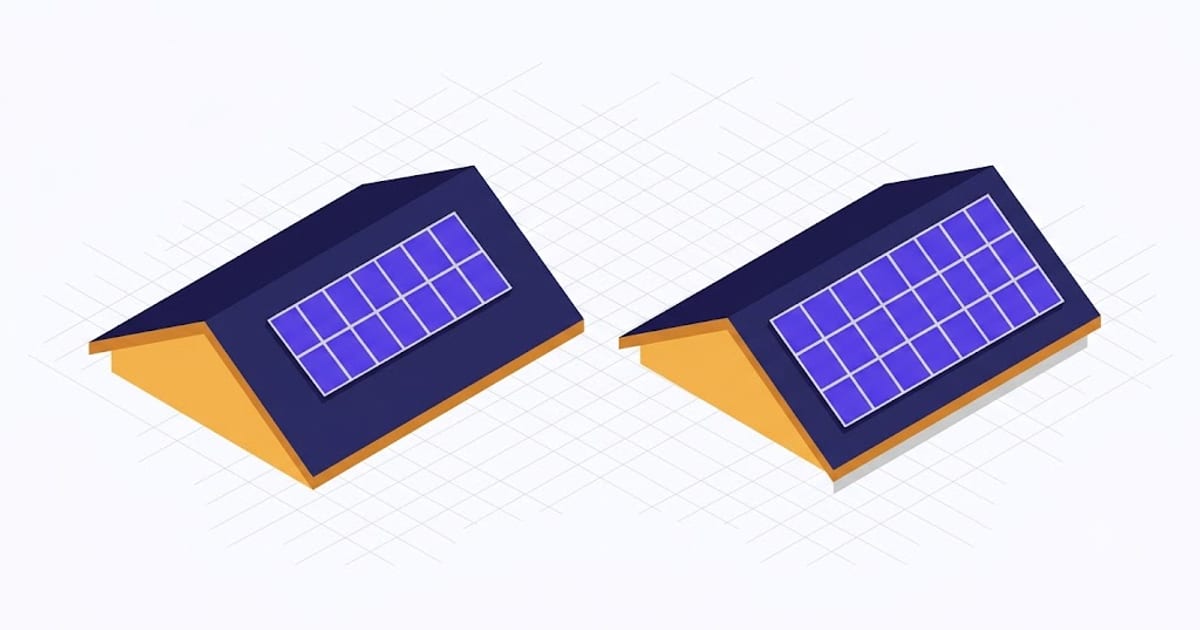 How Many Panels for 1,000 kWh a Month
The answer ranges from fifteen panels to thirty-four, for the same house using the same electricity. Location does most of that, panel wattage does the rest.
 Converting kW to Panels, and the Three Ratings That Get Confused
Three different numbers on a solar quote are all measured in kilowatts and none of them mean the same thing. Knowing which is which makes quotes comparable.
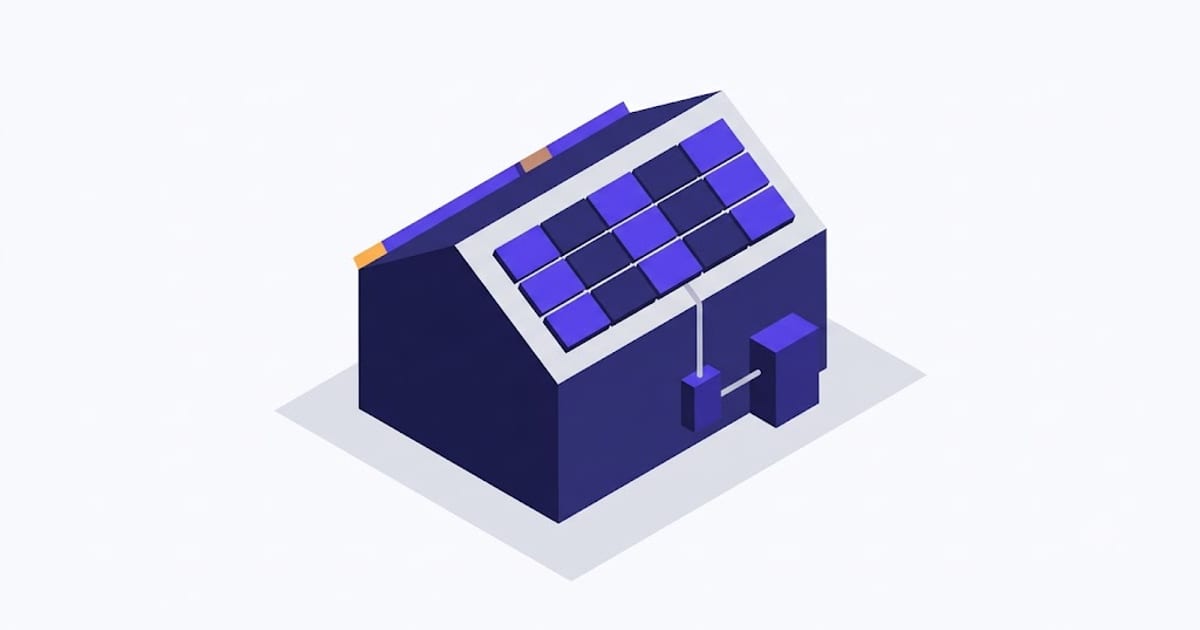 Sizing a Home Solar Array: The Formula, and Where the Missing 20% Goes
The sizing formula has three inputs and one of them quietly removes a fifth of your output before you have bought anything. It is worth knowing what that fifth is made of.