Production by Region
Two identical arrays in different places produce very different amounts of electricity, and the gap is larger than most people expect.
Peak sun hours — the number that drives everything — ranges from about 3.5 a day in the Pacific Northwest to about 6.5 in the desert Southwest. That is nearly a factor of two on the same hardware, and it means payback periods that differ by years for the same purchase.
The number is an annual average, and the seasons are not symmetric
Winter output across most of the US runs 40 to 60% of the annual average, and the further north, the sharper the swing. In Seattle a system that meets its annual numbers will produce almost nothing useful in December; in Phoenix the seasonal variation is mild enough to plan around.
That distinction matters enormously off-grid and hardly at all grid-tied, because the grid absorbs the difference.
Orientation and tilt
South-facing at a tilt roughly equal to your latitude is the textbook optimum, but the penalty for being off is gentler than people fear: within about 45° of south and 15° of the ideal tilt, losses stay in single figures.
West-facing arrays produce less overall but produce it later in the day, which matters where utilities charge time-of-use rates. In those places a west array can be worth more money than a south array producing more electricity.
Shading is not proportional
Shading a single cell can knock out a whole string on a system without optimisers or microinverters. A branch that covers 5% of an array can cost far more than 5% of production, which is why partial shade is the one condition worth designing around rather than accepting.
4 articles
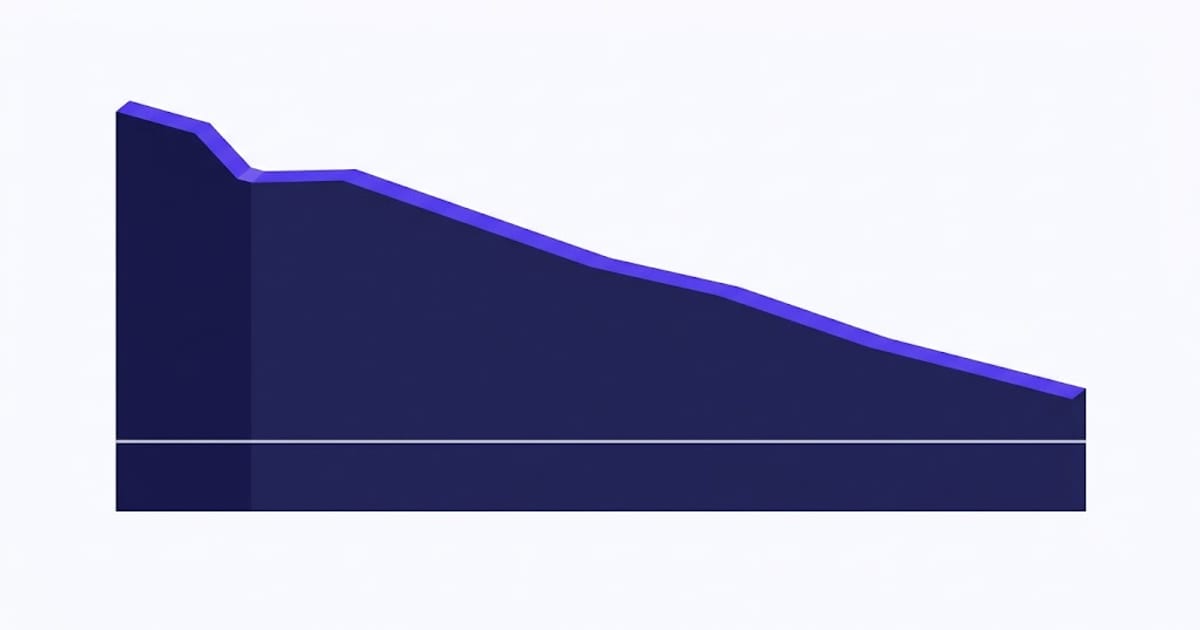 Solar Panel Degradation: What 25-Year Warranties Actually Promise
Panels do not stop working after 25 years. The warranty period is not a lifespan, and confusing the two makes solar look worse than it is.
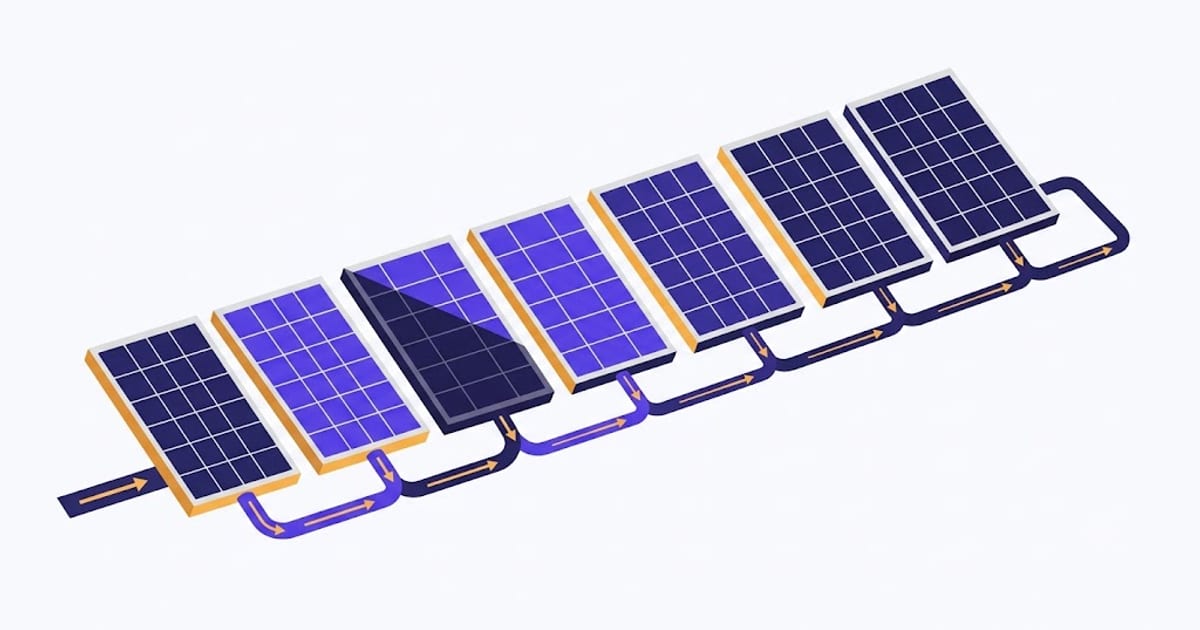 Why Shading One Panel Can Cost You a Whole String
Shading five percent of an array does not cost five percent. On a string system it can cost far more, and the reason is in how the panels are wired together.
 Solar Panel Tilt Angle: The Optimum, and How Little It Costs to Be Wrong
The optimum tilt is easy to calculate and the penalty for missing it is much smaller than people expect — which is good, because most roofs do not offer a choice.
 Daily Solar Output by Region, and the Seasonal Swing Behind the Average
An annual average tells you what the system produces over a year. It tells you almost nothing about December, and December is where the sizing arguments happen.