
These two products are sold to the same person for the same reason and they behave nothing alike. A battery is quiet, instant, maintenance-free and finite. A generator is loud, delayed, needs servicing and does not run out as long as it is fed.
Everything below follows from that one asymmetry.
Install cost
| Option | Typical installed |
|---|---|
| Portable generator + interlock kit | $1,200 – 3,000 |
| 11–14 kW air-cooled standby, NG or propane | $6,000 – 12,000 |
| 18–26 kW air-cooled standby | $9,000 – 16,000 |
| 13.5 kWh battery, retrofit to existing solar | $13,500 – 19,000 |
| 13.5 kWh battery, installed with new solar | $12,000 – 18,000 |
| 27 kWh battery | $22,000 – 32,000 |
Typical US pricing at the time of writing. Standby generator prices assume an existing gas line within a reasonable run; a long trench or a propane tank adds $1,500–5,000.
Storage qualifies for the federal clean energy credit; generators do not. That is a real 30% swing and it closes much of the gap on the small-battery end. Confirm your own eligibility rather than assuming it.
Running cost, and how long each lasts
This is where they separate.
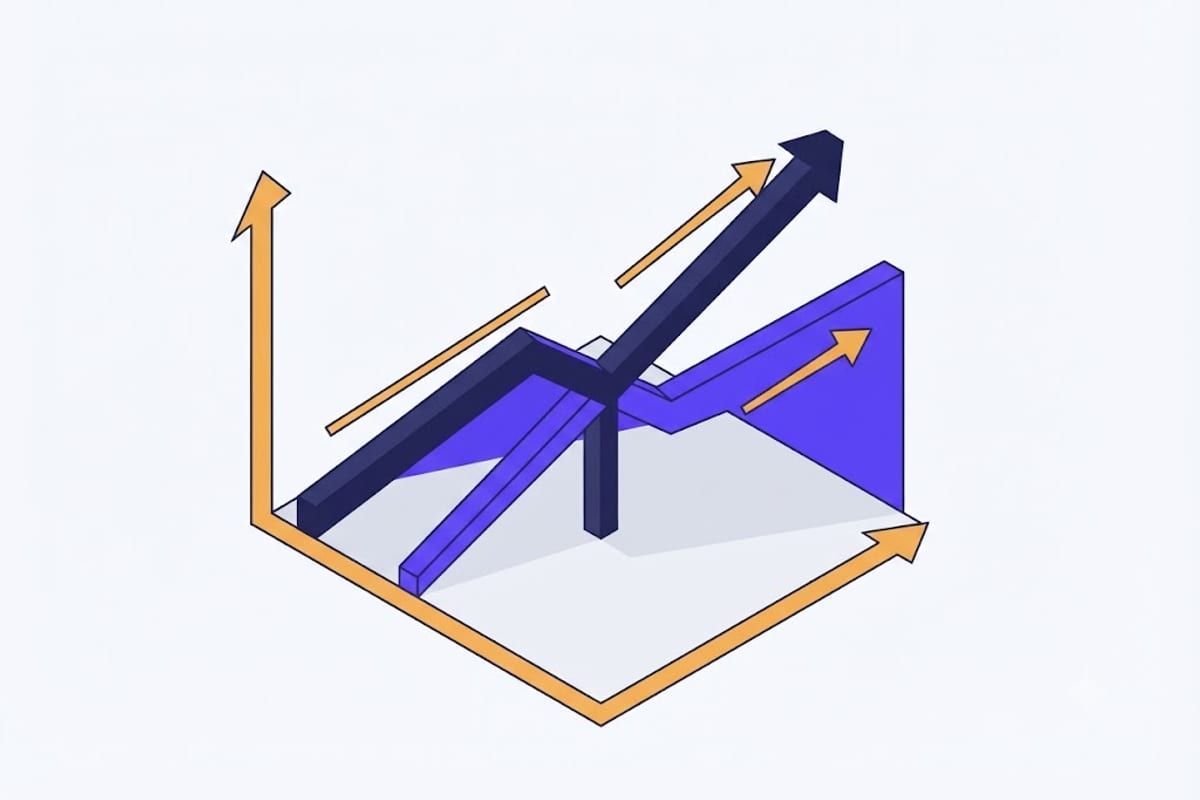
Generator. An air-cooled standby at half load burns roughly 1.5–2.5 gallons of propane or 130–200 cubic feet of natural gas per hour. Call it $2.50–5.00 an hour on propane, less on piped natural gas. It runs as long as fuel arrives, which for a gas line is indefinitely and for a 500-gallon propane tank is several days at continuous load.
Battery. Costs nothing to run and holds a fixed amount. A 13.5 kWh battery carrying a fridge, well pump, lights and internet — around 4–6 kWh a day — lasts two to three days. Add central air conditioning or electric heat and the same battery lasts six to ten hours.
With solar recharging it daily, a battery carrying essential loads can run indefinitely in good weather. In a winter storm — the outage most people are actually worried about — production is low exactly when demand is high, and that indefinite becomes one and a half days.
Where the answer flips
Outages under about 12 hours, a few times a year. Battery. It covers them silently and invisibly, with no transfer delay, no fuel, no annual service, and it earns something the rest of the year under a time-of-use or net-billing tariff — see home solar battery cost.
Outages of days, or unpredictable. Generator. No battery you would buy carries a whole house through four days of ice storm, and the one that could costs more than the generator by a wide margin.
You want whole-house, including air conditioning. Generator. Batteries can do it, but sizing storage for a 3-ton compressor plus resistance backup runs into serious money.
You have no gas line. The generator's advantage narrows. Propane delivery during a regional outage is not guaranteed, and that is when you need it.
The combination, and why it is common
Battery for the frequent short outages, generator for the rare long one, is not a contradiction. The battery carries the flicker-to-four-hour events that make up most outages, and the generator handles the once-in-five-years event. Where a house already has solar, adding storage first and a portable generator with an interlock second covers both for well under the price of a whole-house standby.
The costs people forget
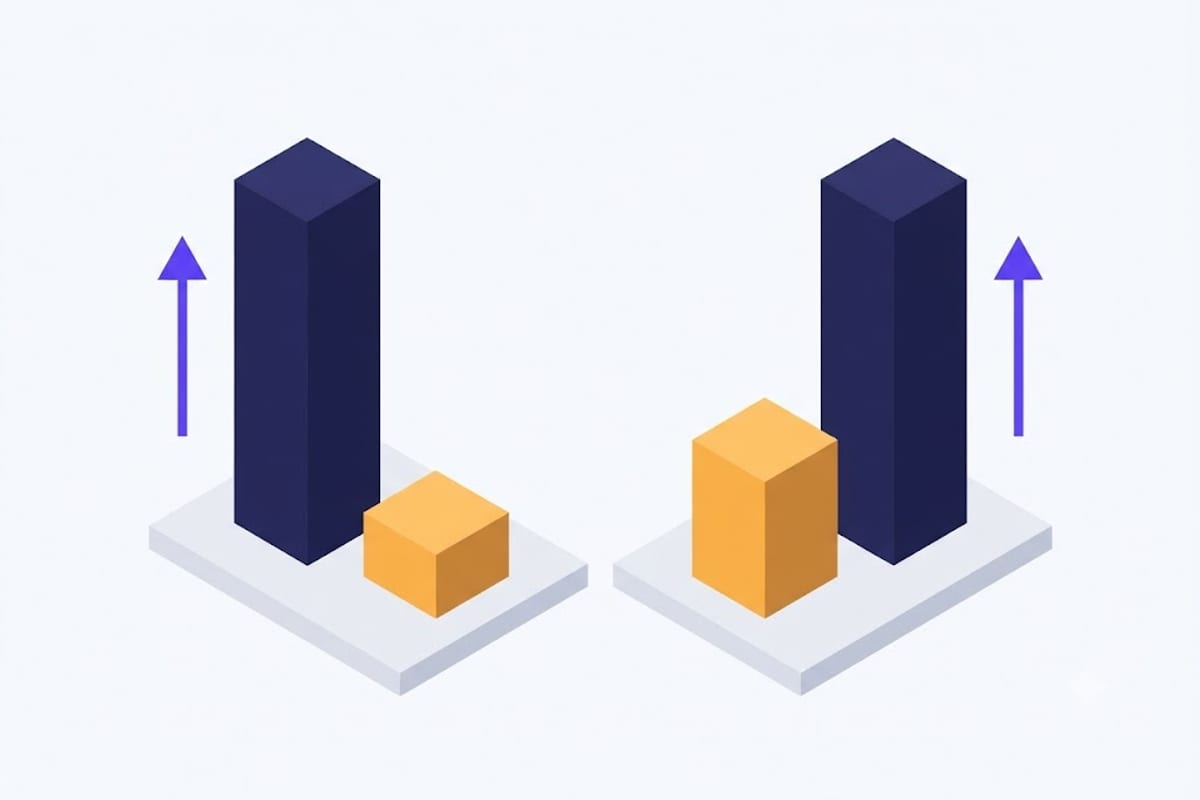
Generator: annual service ($200–400), a weekly exercise cycle that runs whether you are home or not, a load-shedding module if the unit cannot carry everything, and noise your neighbours will hear for the entire outage.
Battery: a warranty measured in throughput as well as years, capacity that fades over its life, and — if it is retrofitted — the possibility that the existing inverter has to be replaced to support backup at all.
Both: a transfer switch or backup gateway, and an electrician's day. Neither number above is the whole job if your main panel needs work.
The short version
Under 12 hours, a few times a year: battery. Multi-day or unpredictable outages, or whole-house with air conditioning: generator. The crossover is duration, not dollars — decide how long your worst realistic outage runs, then price the option that survives it.